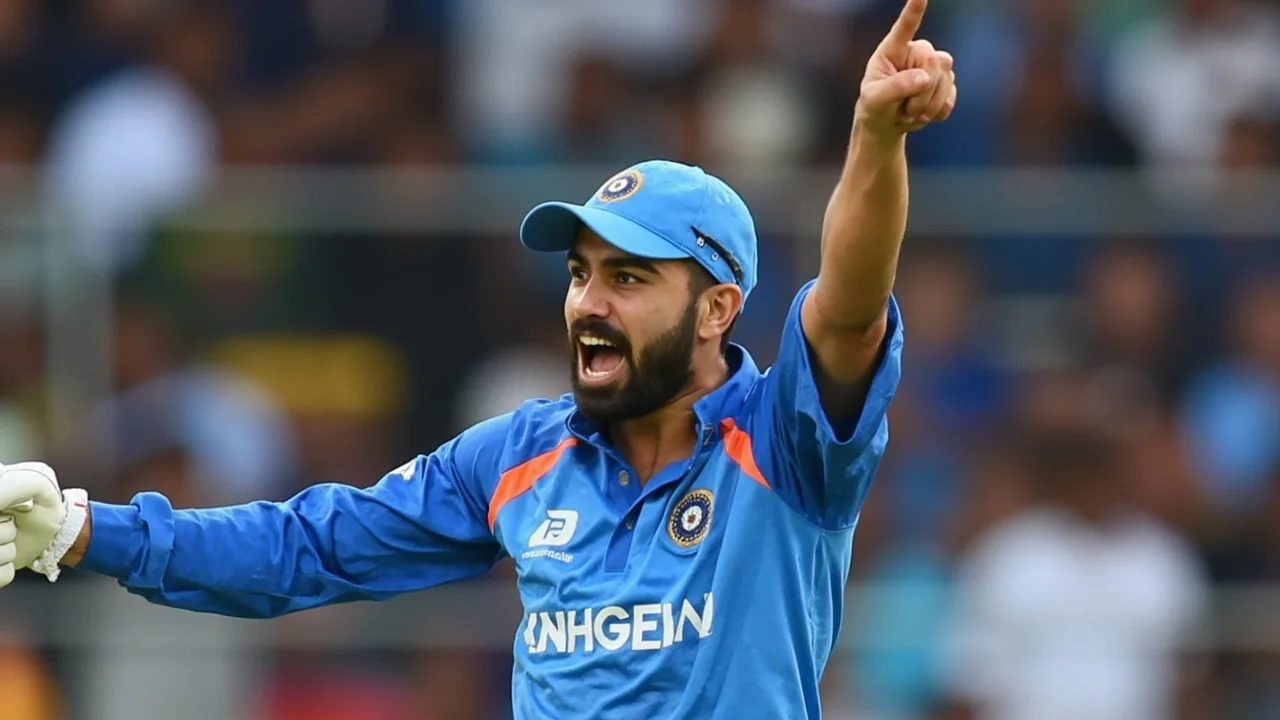
ENG vs IND 2nd ODI: Dream11 Picks for Sophia Gardens
A retrospective fantasy read on the second ODI between England and India at Sophia Gardens on 16 July 2026: probable XIs, captain and vice-captain calls, and a par-280 balanced Cardiff surface.
England hosted India in the second ODI of a three-match series at Sophia Gardens, Cardiff, on Thursday, 16 July 2026. The 5:30 PM IST start sat between the two white-ball formats of a tour that still carried an India tour of England 2026 one-day shape. India took the field leading 1-0 after a six-wicket win at the opening ODI. For fantasy managers, the venue paragraph and the captain pair did most of the thinking.
The opening game showed a touring side in clear control of the conditions. Axar Patel took a four-wicket haul, Gurnoor Brar and Prasidh Krishna picked up two wickets each, and India chased down the target with Shubman Gill making 80 before retiring hurt. Axar Patel and Washington Sundar then closed the chase with unbeaten half-centuries. Joe Root and Liam Dawson scored half-centuries for England, but the side failed to put a competitive total on the board. A second match at Sophia Gardens asked whether England could adjust quickly enough to keep the series alive.
For free-to-play fantasy purposes the match offered three useful inputs: a balanced Cardiff pitch, an overcast early-evening forecast, and a probable XI list taken from the CricTracker preview that named both XIs in full. The commentary below is built only on those published facts. Match observations are framed as a retrospective, since the source preview was dated 16 July 2026 and the desk has not seen any later official update.
Where England stood after the opener
India led 1-0 after the first ODI at a different venue. The published form strip before the opener had India on L L L L L across the five-match view, even though the Sri Lanka upstream is not reproduced here. England’s last five reads W W W W W, and the head-to-head across recent meetings still tilts England 6:5. None of that tells a manager which armband to pick for match two. It does, however, frame the contest as one where India had the form momentum and England had a series to rescue.
The shape of the first ODI chase was more useful. Shubman Gill’s 80 before retiring hurt meant India could absorb a top-order wobble without losing a chase. Axar Patel and Washington Sundar then stitched a match-winning partnership from the middle order. If those two still bat deep in the probable XI for the second ODI, India keeps a long tail of left-hand batting that pushes spinning all-rounders up the captain rankings. England, by contrast, was more likely to lean on Root, Buttler, and Brook to win the middle phase at Sophia Gardens.
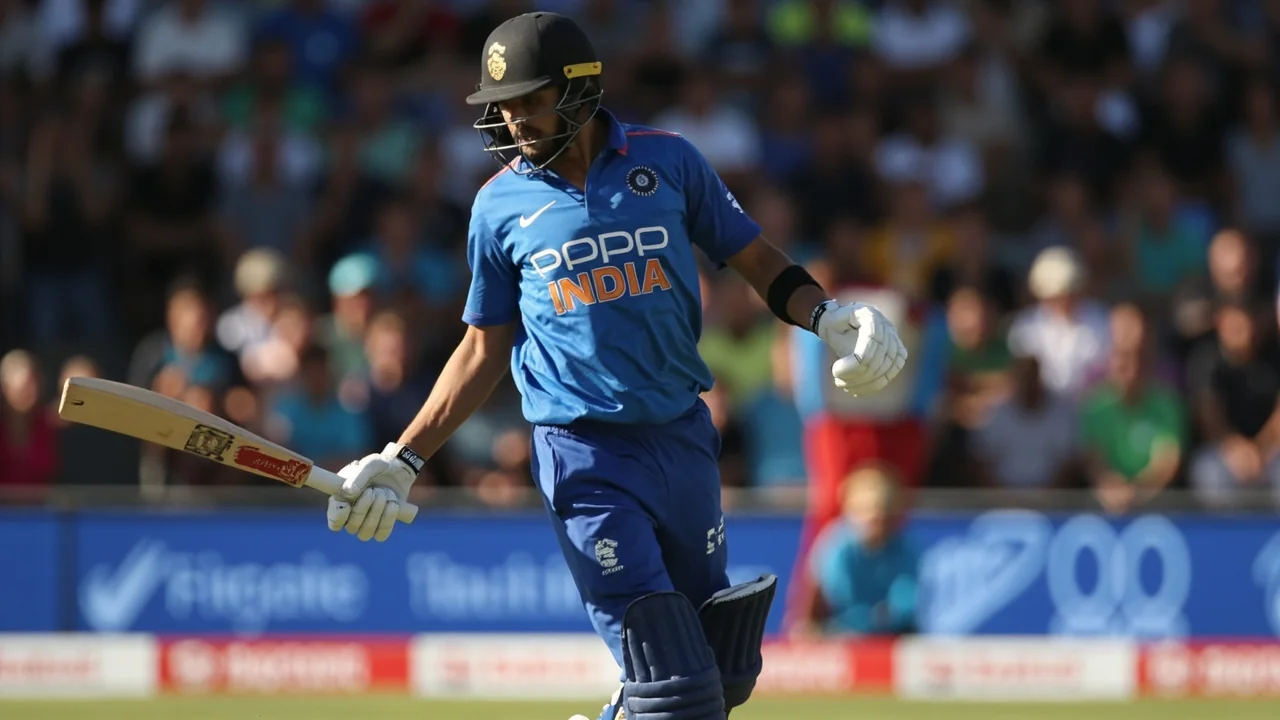
For a free-to-play fantasy entry, that series structure argues for one or two dual-path options from the India middle order plus at least one Root-or-Buttler captain pick, depending on the toss. It also argues against chasing ownership screenshots the moment team sheets appear, since bench depth at Cardiff is thinner than at larger venues and a single rest day can swing the credits.
What a par-280 balanced surface implies
The CricTracker pitch note on Sophia Gardens describes a balanced surface that offers help to both batters and bowlers. Fast bowlers, in their framing, can find early movement through the air under overcast Cardiff conditions; batting becomes easier once the ball loses its shine. The published splits read roughly 60% pace, 40% spin, 60% batting-friendly overall, with an average score around 280.
For fantasy cards, three numbers from that paragraph have more weight than the full paragraph. Par 280 means the second-innings chase is rarely a five-over scramble unless an early collapse happens. A 60/40 pace-to-spin split on a Cardiff surface means seam-bowling all-rounders and finger-spin options both earn salary, while wrist-spin attacks sit a step behind on this ground. The 60% batting-friendly note is qualified by the overcast forecast, which is the one weather variable that pulls the batting side down even on a flat surface.
The afternoon Cardiff weather was listed as cloudy at 18.1°C with humidity around 93%. That reading lines up directly with the overcast preamble in the same pitch note. In practice, swing becomes a real threat for the first ten overs, the ball stays heavier through the middle phase, and captains who bat second get a chase that runs further than the par score once the evening clears. The two bowlers most likely to exploit that window are Jofra Archer and Arshdeep Singh, who were both in the projected XIs for this match.
How the published sheets frame the build
The CricTracker preview carried probable XIs for both sides. Treat both as a pre-match projection, not as a confirmed board graphic. The published cards carry benches for each side that mattered more than usual at Cardiff, where touring-squad rotation between consecutive ODIs is common.
England probable XI
Jos Buttler (wk), Harry Brook (c), Jacob Bethell, Will Jacks, Liam Dawson, Adil Rashid, Jofra Archer, Josh Tongue, Ben Duckett, Joe Root, Brydon Carse. Bench listed T Banton, SM Curran, R Ahmed, S Mahmood, James Coles, AAP Atkinson.
India probable XI
Ishan Kishan (wk), Shreyas Iyer (c), Axar Patel, Washington Sundar, Arshdeep Singh, Prasidh Krishna, Shivam Dubey, Rohit Sharma, KL Rahul, Virat Kohli, Jasprit Bumrah. Bench listed P Yadav, Shubman Gill, Gurnoor Brar, KL Yadav.
Three players from each side anchor the fantasy math. England: Ben Duckett (43 runs in the opener, opening slot), Joe Root (half-century in the opener, batting through the middle), and Jofra Archer (swing-friendly Cardiff conditions and a four-over new-ball job). India: Axar Patel (four-wicket haul in the opener, batting depth at seven), Washington Sundar (unbeaten fifty in the opener, finger-spin through the middle), and Jasprit Bumrah (death-overs anchor and a known matchup edge on Root in the same match). Those six names cover the obvious captain-band and the safer vice-captain lane, before any differential work begins.
The named pair, and what each role asks of the build
The CricTracker preview names two specific pairs in its fantasy selections. The captain slot goes to Ben Duckett (ENG, BAT), with Shreyas Iyer (IND, BAT) as vice-captain. A 9-credit top-order batter and a 7-credit India number-three batter form the spine of the named ledger. Both selections tilt toward the touring favourite, since the preview names the India top three as a likely run source.
Do not collapse the two named roles into one over-stacked card. In a single small-league entry, build around Duckett as captain and Iyer as vice-captain. In a grand-league set, spread vice-captaincy across Root, Buttler, Bumrah, and Axar Patel so that any one of four middle-order routes pays when one of the named armbands fires a quiet 25. The published pair is a starting point, not a constraint.
Two skill lanes worth their salary
Sophia Gardens rewards two skill profiles more than it rewards single-skill buys. The 60/40 pace-spin split and the par-280 batting note both skew toward players who can change the match with bat and ball across separate phases. The first lane is the seam-bowling all-rounder: Archer on the England side, Arshdeep Singh on the India side. Both can swing with the new ball under overcast skies, both bowl three overs through the middle phase, and both can clear the infield on a short square. Their salary is on the heavier side, but their two-skill output covers the windows where a single-skill pick collapses.
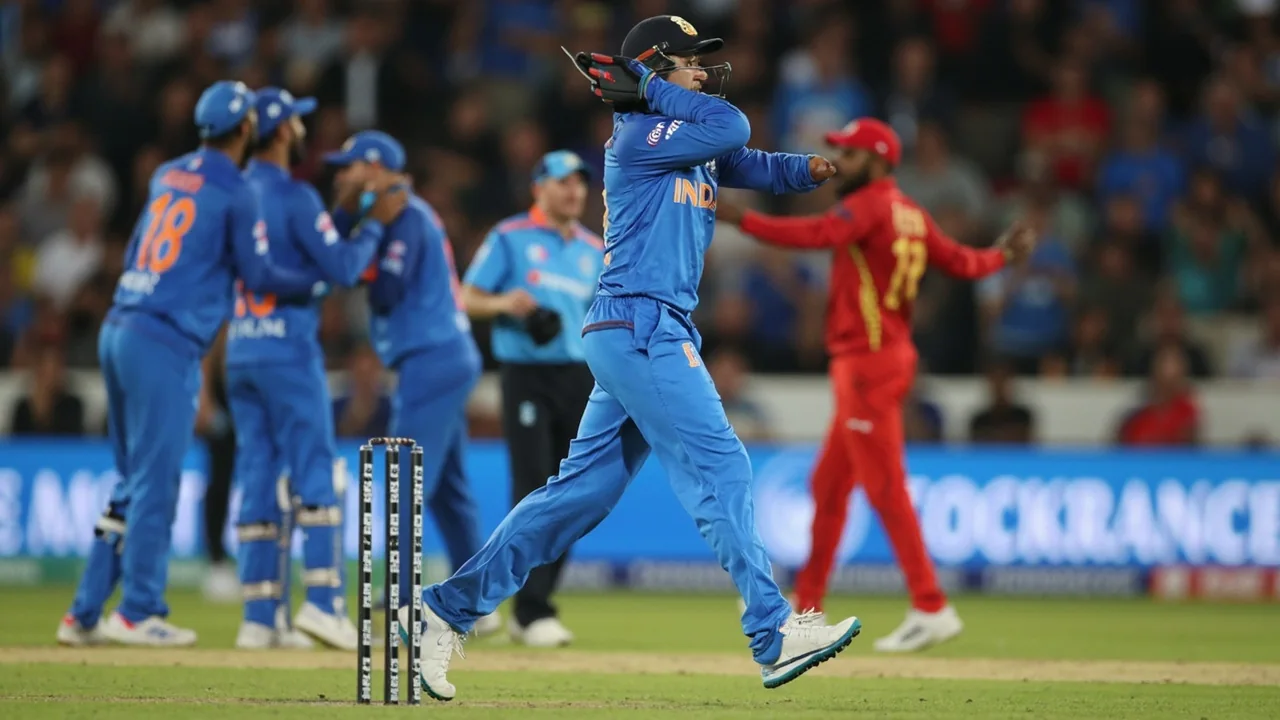
The second lane is the left-arm spin all-rounder. Axar Patel owns that lane for India: four wickets in the opener, an unbeaten fifty, and a seven-or-eight overs quota through the middle. Will Jacks and Liam Dawson cover the same lane for England, though with less obvious batting ceiling. Pick one India and one England option for these lanes if salary allows; if not, pick Axar Patel and bowler-skip on the seam-bowling all-rounder to free credits for Root.
For grand-league diversification, swap Bumrah or Prasidh Krishna into the captain slot the moment the team sheet confirms India bowl first. Death-overs length was the difference in the opener, and Cardiff square boundaries will punish full-toss variations more than raw pace. Reserve a card for a wrist-spin attack even on a 40% spin note: Adil Rashid showed enough against left-hand batters in 2025 to deserve at least one differential pick, especially when facing Rohit Sharma, KL Rahul, and Shreyas Iyer in close succession.
What the listing actually told viewers in India
The 5:30 PM IST start lists Sony Sports Network for live broadcast in India, with SonyLiv and JioHotstar as the two listed streaming partners. For free-to-play fantasy entries, the broadcast listing matters only because it confirms the start time of 5:30 PM IST, which the desk treats as the reference lock window for team sheets and captain picks. Toss is typically 30 minutes before first ball. That is the working window for any final-card edit.
Two practical notes from a retrospective read. First, the streaming partner listing showed JioHotstar for this fixture. That newer app carried both broadcast and streaming options during the 2026 white-ball window. Second, the 16 July 2026 start sat on a Thursday evening, which left managers with roughly 90 minutes between end of work and the first ball. Card edit windows at Cardiff run tighter than at larger grounds; build pre-lock, lock captains last.
India favoured, with a Cardiff caveat
The preview’s published match lean still tilted India. The 1-0 series lead, the four-wicket Axar haul, the Gill 80 and unbeaten middle-order fifties all carried through from the opener, and India’s named XI kept seven of those eleven in the probable list. England named a rotated XI that included Dawson and Tongue over Atkinson and Mahmood, in part because Cardiff’s short square boundaries reward multi-skill players over single-discipline quicks.
For free-to-play fantasy, that lean translates into overweight India batters (Gill, Rohit, Kohli, KL Rahul) and one India pacer (Bumrah or Arshdeep) in cash games, plus two or three England dual-path players in every grand-league card so a competitive 20-over arm-wrestle does not erase a heavy India card. Iyer, Patel, and Sundar offer three independent India routes; Root, Buttler, and Archer offer the same on the England side.
None of this guarantees points. Team sheets can change inside the final hour, and a Cardiff overcast has its own logic that form tables rarely price in. For a wider read on tour context, fantasy selection and captaincy across the tour, the wider Fantasy Cricket reading list is a useful starting point. The next move in the series was the third ODI, with the tour shifting to venue three and squad rotation likely.
Match window, venue, broadcast listing, weather note, splits (60% pace / 40% spin / 60% batting), par 280, head-to-head table, probable XIs, named captain/vice-captain pair, the Avoid list and the post-match India lean are taken from CricTracker’s ENG vs IND 2nd ODI Dream11 preview (published 16 Jul 2026). All build sequencing, lane math, flip-the-armband reasoning and final lock checklist are original to Sports Real and written on 28 Jul 2026 as a retrospective reading.
Five checks before the 5:30 PM IST start
- Confirm both XIs against the on-ground board, especially the keeper slot and India’s bowling three (Bumrah, Prasidh Krishna, Arshdeep Singh).
- If India bat first, prefer Duckett (C) with Iyer (VC). Confirm toss and first-innings conditions before freezing the armband.
- If England bat first on a clearing Cardiff evening, upgrade Root over Iyer and keep Bumrah in the bowling multiplier.
- Keep combination near one wicketkeeper (Buttler or Kishan), four to five batters, two all-rounders, and three to four bowlers rather than a five-batter pile on a 60% batting-friendly surface.
- Avoid Gus Atkinson and Prince Yadav in the starting XI: the published ‘Avoid’ note in the CricTracker preview flagged both for a reason worth respecting.
What would force a full rebuild
Three triggers justify discarding these defaults. A confirmed India batting-order reshuffle that pushes Shubman Gill out of the top three. A Cardiff morning pitch report that abandons the balanced 280 note for a slow turner well below par. Or a late toss decision that hands England a chase under heavy cloud, since Duckett’s 9-credit armband does not survive a top-order wobble inside the first ten overs. Any one of those moves the captain band away from the named pair and toward bowling multipliers or pure top-order India stacks.
Credits and salary hygiene
Younger seam all-rounders often sit cheaper than established bilateral regulars on fantasy lists. Spend savings on Axar Patel rather than a fourth specialist batter who bats at seven. If salary pressure forces a choice between Shivam Dubey and Liam Dawson, pick the player with the surer bowling overs on the team sheet. Cardiff’s middle phase punishes unused bowling credits more than it punishes a missing fifth specialist batter.
Ownership traps to avoid
Auto-captaining Shreyas Iyer because he is the most familiar India name is the main trap on this card. So is stacking four England top-order batters while leaving Bumrah off a grand-league entry. A third trap is paying premium for two touring pacers when only one will see the new ball. Pick the role, not the jersey count.
ENG vs IND 2nd ODI fantasy questions
When did the 2nd ODI between England and India take place?
Thursday, 16 July 2026, 5:30 PM IST at Sophia Gardens, Cardiff. Broadcast was listed on Sony Sports Network, with live streaming on SonyLiv and JioHotstar.
Who were the named captain and vice-captain picks in the preview?
Captain Ben Duckett (ENG, BAT, 9 credits) with vice-captain Shreyas Iyer (IND, BAT, 7 credits). Those are the published selections from the CricTracker preview.
What were the pitch numbers at Sophia Gardens?
Balanced surface, par score 280, roughly 60% pace, 40% spin, 60% batting-friendly with movement through the air under overcast Cardiff skies.
What did the India form look like going in?
Last five read L L L L L in the published form strip. The tour of England 2026 had started with a six-wicket win in the first ODI that flipped that view in the actual match.
How many touring players should a balanced eleven carry?
Four to six is the practical band for grand leagues: two top-order batters, Axar Patel as the dual-path captain option, one of Bumrah or Arshdeep on the new ball, plus either Iyer or Sundar in the middle.
Which players did the preview flag as avoidable?
Prince Yadav (IND, BAT, 7.5 credits) and Gus Atkinson (ENG, ALL-ROUNDER, 8 credits) appeared on the published Avoid list.