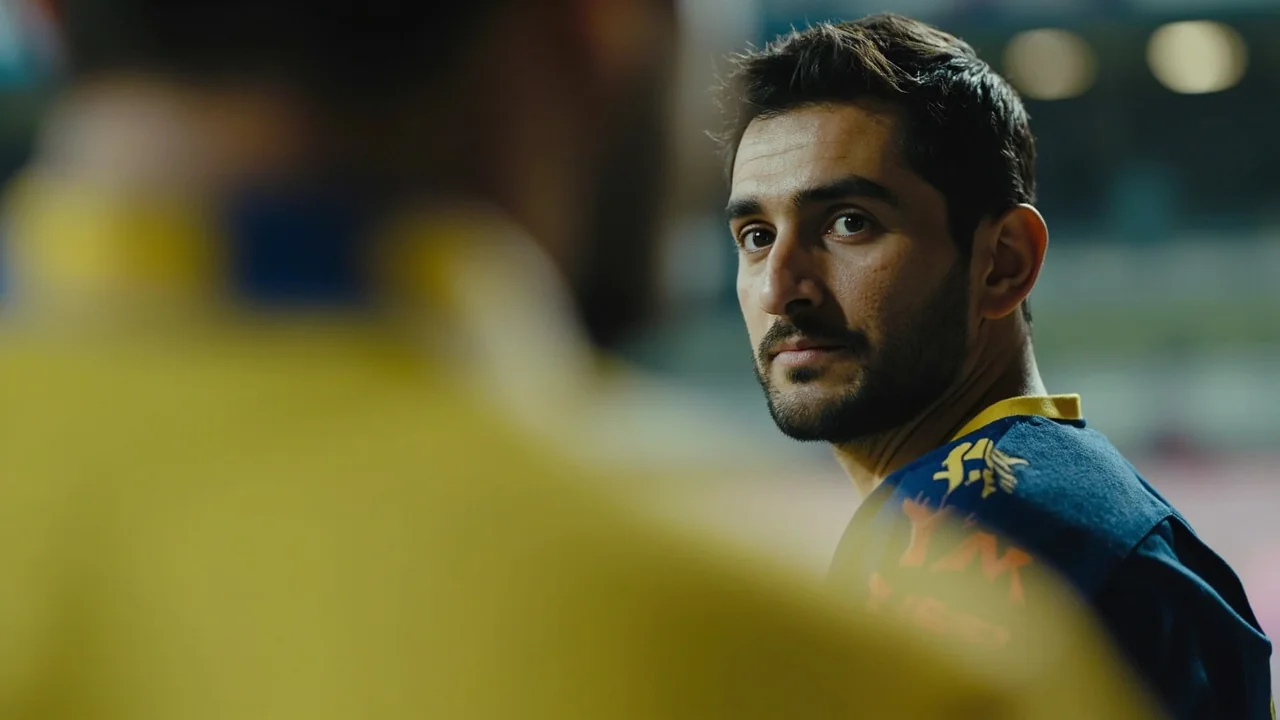
Chennai Super Kings: five-time IPL champions and the long arc after 2025
Five titles, one two-year suspension, a Gaikwad-led rebuild and a 2025 finish that scraped the bottom of the table. A look at the franchise profile, the people who shaped it, and what the post-Dhoni plan looks like.
The Chennai Super Kings are the most decorated side in the IPL's history. Five championships (2010, 2011, 2018, 2021 and 2023), a longest unbroken coaching partnership in the league, and a fan base that still fills MA Chidambaram Stadium regardless of the table position. The numbers behind those titles sit on franchise profile pages at the major cricket databases and most of them were restated by ESPN Cricinfo's Chennai Super Kings team page ahead of the 2026 cycle. This retrospective pulls that record into a single read: who runs the franchise, who plays for it, what was won, what was lost, and what the 2025 last-place finish actually reset.
The franchise is owned by Chennai Super Kings Cricket Ltd, a subsidiary of India Cements, with N Srinivasan — former BCCI president and former ICC chairman — listed as the chairman. The original IPL franchise fee was Rs 360 crore (around US$91 million) in 2008. Captaincy currently sits with Ruturaj Gaikwad, the Indian opener who took the armband after MS Dhoni stepped back from the long-format leadership. Stephen Fleming remains head coach, the longest continuous coaching tenure in the IPL. Home matches are played at MA Chidambaram Stadium in Chennai.
Ownership, leadership and the structure that survived two years out
Chennai Super Kings Cricket Ltd is the listed franchise entity. It is a subsidiary of India Cements, with Srinivasan as chairman. The 2008 franchise purchase price sat at around Rs 360 crore, or roughly US$91 million at the time. That ownership structure has been stable across the franchise's history and was not altered by the 2016-17 suspension or the ownership-rule changes that followed the Lodha Committee reforms.
The on-field leadership pair has been equally stable. Stephen Fleming has been head coach since the league's first season. Across that stretch, his tactical pairing with Dhoni became one of the most studied captain-coach relationships in T20 cricket. Even after Dhoni stepped back from the captaincy, the franchise kept Fleming in place. IPL teams do not typically retain a head coach through a rebuild, and CSK's choice to keep Fleming on after the 2025 finish is the clearest signal that the ownership views the rebuild as a continuation, not a reset.
The captaincy transition from Dhoni to Gaikwad is the second continuity test. Gaikwad had been Dhoni's long-term opening partner before taking the armband. He was already leading the side in the latter half of IPL 2024, and the franchise confirmed him as captain for the following cycle. The handover was orderly, did not require a squad overhaul, and kept the coaching and ownership triangle intact. For a franchise that has been through a suspension and a last-place finish in the same decade, that kind of structural quiet is one of the reasons the post-2025 conversation has stayed focused on squad decisions rather than governance ones.
MA Chidambaram Stadium sits in the Chepauk area of Chennai. The ground is one of the older Test venues in India and has historically played as a slow turner with high dew across the evening. The franchise has shaped its squad identity around that surface: finger spin has been a constant, and the order has been built to handle the batting-friendly phase of an evening chase. The 2025 finish has not changed the home-ground plan. It has, however, changed how the side travels to away venues that look very different from Chepauk.
Five titles, three different opponents in the final
CSK's five championship seasons are spread across three different final opponents. The 2010 and 2011 titles were won against Mumbai Indians in the early phase of the rivalry. The 2018 title came back against Sunrisers Hyderabad in a one-sided final. The 2021 title was against Kolkata Knight Riders in the UAE window. The 2023 title was against Gujarat Titans, and it ranks as the most dramatic of the five: a last-over finish that turned on ten runs off the final two balls, hit by Ravindra Jadeja.
Across those five finals, the side's batting identity has been remarkably consistent. Top-order anchors, a powerplay scorer, and a finisher who can clear the rope in the last two overs. Devon Conway was the top run-scorer in the 2023 championship run with 672 runs. Jadeja's last-over hitting against Titans was the finishing touch of the most compressed title run, with the franchise having to win qualifying and eliminator games to reach the final.
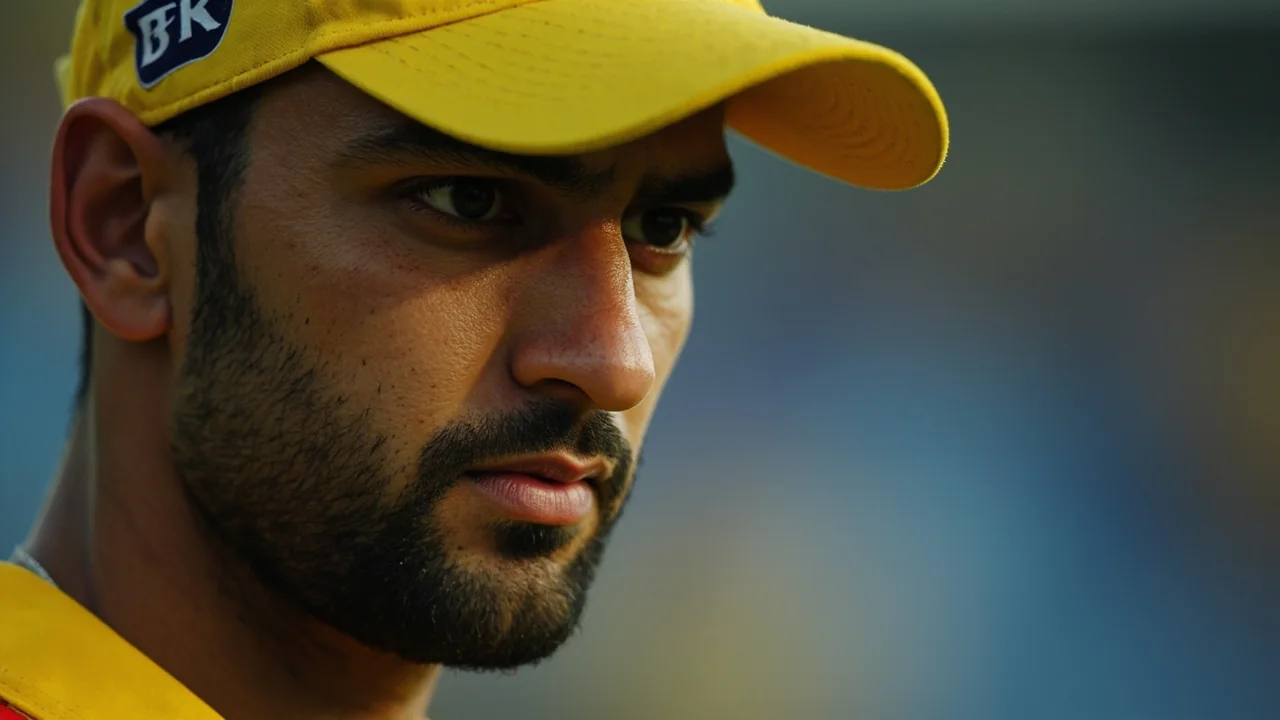
The five titles under Dhoni's captaincy made him the most successful captain in IPL history. Dhoni was also the highest-paid player at the inaugural IPL auction in 2008, bought for Rs 9.5 crore (around US$1.5 million at the time). That single figure shaped the auction economy for years and is still cited as the reference point for marquee-player pricing. The captain-coach pairing with Fleming carried the same on-field language for all five titles, and that pairing is the base case the franchise is rebuilding around.
Two seasons out, then a fifth title five years later
CSK were suspended for the 2016 and 2017 IPL seasons after a spot-fixing scandal linked to team official Gurunath Meiyappan, who was arrested on charges of cheating, forgery and fraud. The suspension cost the franchise two complete seasons and pushed a generation of younger Indian players into the auction pool. Rising stars who would have been CSK retentions in that window went to other franchises, and the side returned to the league in 2018 with a partly rebuilt squad.
The 2018 return was the cleanest answer to the suspension. CSK won the title in their first season back, beating Sunrisers Hyderabad in the final. The Dhoni-Fleming combination carried the same plan it had used before the suspension, and most of the players who had been retained across the ban were the same names who lifted the trophy. The 2018 title is also the one that put the side back on a five-year arc that produced the 2021 and 2023 championships.
The arrest and the suspension did not touch the ownership structure. CSK Cricket Ltd, the India Cements parent, and Srinivasan's chairmanship all stayed in place. The franchise's compliance and ownership policies were revised under the Lodha Committee framework after the suspension, and the team has not been at the centre of a regulatory story since. The 2016-17 absence is the cleanest break in the franchise record, and the 2018-2023 run that followed is the clearest evidence of how the franchise absorbed that break without losing its competitive identity.
Twelve knockout appearances in fifteen completed seasons
Across fifteen completed IPL seasons, CSK have reached the knockout stage in twelve. They have finished below fourth place only three times. Two of those three were partly shaped by the 2016-17 suspension; the third is the 2025 last-place finish that the franchise is now rebuilding from. That is the consistency that made CSK the league's reference point for stability through the 2010s and into the early 2020s.
That consistency shows up in the squad-construction model. The franchise has prioritised retention over auction rebuilds more than most other IPL sides. Indian core players have been kept across cycles, and the overseas slots have been used for role-specific picks rather than marquee-name buys. The approach has produced the longest unbroken coaching tenure in the league and the most stable top-order identity across the format's history.
Season-by-season, the franchise's floor has been a playoff place and the ceiling has been the title. The 2025 finish is the only time in the side's completed IPL history that it has dropped out of the top half of the table. The franchise profile pages reflect that record as a long-median rather than a peak-and-trough shape, and that is the read the 2026 squad build is being measured against.
Last on the table, twenty-two players used, and one teenage bright spot
The 2025 season was the worst in the franchise's IPL history. CSK finished tenth — last on the table — and used twenty-two players across the campaign, the most they have used in an IPL since 2010. That player count tells most of the story: the side did not settle on a combination, the auction did not deliver enough settled starters, and the franchise spent the back half of the season auditioning rather than consolidating.
The single bright spot was Ayush Mhatre, aged 17, who struck at 189 across seven matches. A strike rate of 189 at 17 in an IPL season is unusual, and the franchise has publicly framed him as part of the next cycle rather than a one-season cameo. Mhatre's seven matches produced the kind of top-order tempo the side had been missing through the middle of the season, and the franchise chose to keep him in the XI even when the wider table position was already beyond repair.
The 2025 finish also surfaced a wider question about the franchise's reliance on a top-order that had carried the side through five titles. Several of the names that featured through the 2018, 2021 and 2023 championships were not part of the 2025 starting XI. The franchise has not used the 2025 finish as an excuse to clear the wage bill. It has, however, used it to widen the auction pool for the next cycle and to give the younger players in the squad more middle-order exposure. Twenty-two players used in a season is, in many ways, the franchise's choice to treat the year as a long audition rather than a one-shot chase at the play-offs.
Continuity at the top, a wider audition below
Heading into the next cycle, the operational structure is unchanged. Fleming is still head coach. Gaikwad is still captain. CSK Cricket Ltd is still the listed owner, and Srinivasan is still chairman. The home ground is still Chepauk. None of those four pillars has been reassembled, and that is the simplest way to read the franchise's post-2025 plan: keep the decision-makers stable, change the squad.
The squad changes are already in motion. The 2025 finish added a year-end window where the franchise had to look at younger Indian batters, more flexible seam options, and a wider overseas pool than the side has used in any season since the 2018 rebuild. Mhatre's seven matches at strike rate 189 will be the reference point for that younger-Indian thread. The franchise did not buy in a marquee overseas replacement; it let the existing pool compete for the limited overseas slots and watched which names held their spots through a losing season.
For fantasy and squad-read purposes, the takeaway is positional. CSK's batting identity still comes from the top three. The spin identity still comes from the middle overs, and the death-overs plan still favours pace over spin. Dhoni's role has been scaled back, but the franchise has not named a single replacement finisher. That seat at the table is still open, and the next cycle will determine whether it stays empty or finds a settled name. The 2025 finish did not break the franchise. It reset the audition clock for the next title window.
For comparison with the rest of the league's current squad cycle, the recent Sports Real IPL news desk has been tracking the broader captain and combination movement across the 2026 cycle. CSK's continuity at the top sits in contrast to several franchises that have changed both captain and head coach during the same window.
Eleven franchise facts worth carrying into the next cycle
- CSK have won five IPL titles: 2010, 2011, 2018, 2021 and 2023.
- The franchise is the most successful in IPL history on titles alone.
- Captain: Ruturaj Gaikwad. Head coach: Stephen Fleming.
- Home ground: MA Chidambaram Stadium, Chennai.
- Owner: Chennai Super Kings Cricket Ltd, a subsidiary of India Cements, with N Srinivasan as chairman.
- Original 2008 franchise fee: Rs 360 crore (approximately US$91 million).
- MS Dhoni was the highest-paid player at the 2008 inaugural auction, at Rs 9.5 crore (around US$1.5 million).
- CSK were suspended for the 2016 and 2017 seasons following the spot-fixing case involving Gurunath Meiyappan.
- Devon Conway was CSK's top run-scorer in the 2023 championship run with 672 runs; Ravindra Jadeja hit ten runs off the last two balls of the final.
- CSK have reached the IPL knockouts in twelve of fifteen completed seasons.
- 2025 finish: tenth on the table, twenty-two players used, Ayush Mhatre struck at 189 across seven matches.
Franchise profile, ownership structure, captaincy, coaching, home ground, suspension period, championship years, 2025 finish, and 2023 championship batting details are taken from ESPN Cricinfo's Chennai Super Kings team page (published 16 Jun 2026, 15:42 GMT). Editorial framing and the post-2025 read are original to Sports Real.
Chennai Super Kings: common questions
Who is the captain of Chennai Super Kings?
Ruturaj Gaikwad. He took the captaincy after MS Dhoni stepped back from the leadership role, and the franchise confirmed him as captain for the cycle following IPL 2025.
Who is the head coach?
Stephen Fleming. He has been head coach since the first IPL season, which makes him the longest continuous head coach in the league's history.
How many IPL titles have CSK won?
Five: 2010, 2011, 2018, 2021 and 2023. That is the most titles of any IPL franchise.
Where is CSK's home ground?
MA Chidambaram Stadium, in the Chepauk area of Chennai. The ground is one of the older Test venues in India and is known for a slow turner with high dew in the evening.
Who owns the franchise?
Chennai Super Kings Cricket Ltd, a subsidiary of India Cements. N Srinivasan, former BCCI president and former ICC chairman, is the chairman. The original 2008 franchise fee was Rs 360 crore (approximately US$91 million).
Why were CSK suspended in 2016 and 2017?
The two-year suspension followed a spot-fixing scandal linked to team official Gurunath Meiyappan, who was arrested on charges of cheating, forgery and fraud. The franchise returned to the league in 2018 and won the title in that first season back.
What happened in CSK's 2025 season?
CSK finished tenth — last on the table — their worst IPL finish. They used twenty-two players across the campaign, the most since 2010. Seventeen-year-old Ayush Mhatre struck at 189 across seven matches and was the clearest individual bright spot.
Who was CSK's top scorer in the 2023 championship run?
Devon Conway, with 672 runs. Ravindra Jadeja hit ten runs off the last two balls of the final against Gujarat Titans to seal the title.